Buying guides
Best cordless drill: how to choose voltage, torque and chuck
The cordless drill is the most sold tool — and the most regretted choice. Four numbers decide it: volts, torque, chuck size and number of batteries.
1. Voltage: 12, 20 or 40?
12V for home, assembly and furniture — light and compact. 20V for most workshop and site work — the common balance of power and weight. 40V for heavy, continuous work.
2. Torque (N·m)
Torque is turning force. Compare the number between two drills of the same voltage — it is what separates them.
3. Chuck: 10 or 13 mm?
A 10 mm chuck suits small bits and light work; 13 mm holds larger bits and comes on stronger drills. Metal chucks hold up better than plastic.
4. Hammer or not?
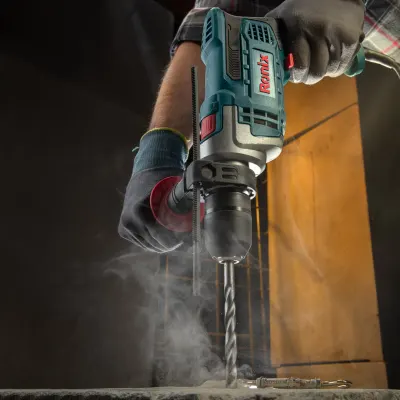
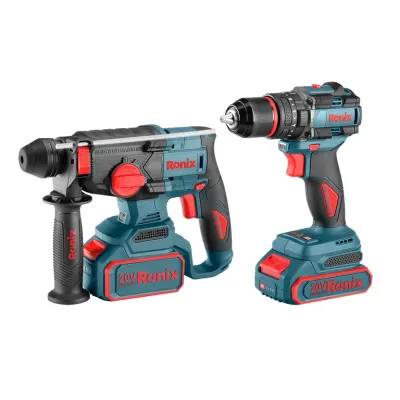
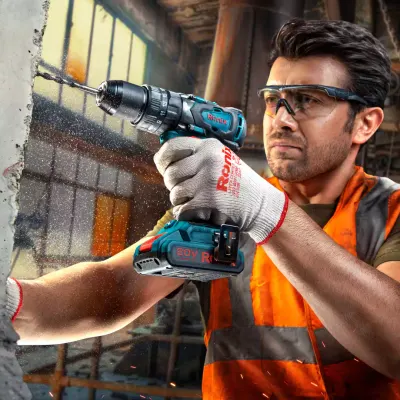
For brick and walls choose a cordless impact (hammer) drill. For wood, metal and screws a plain drill is lighter and cheaper. Reinforced concrete needs an SDS rotary hammer.
5. Brushless or brushed?
Brushless costs a little more but runs longer per charge and has no brushes to replace.
6. Battery and charger
- Buy a kit with two batteries.
- Amp-hours (Ah) are the "tank size".
- A fast charger cuts downtime.
Products picked for this guide