
Buying guides
How to choose an angle grinder: size, power and safety
An angle grinder cuts metal and tile, grinds welds and strips rust — and is also the most dangerous tool in the workshop if misused. Choosing the right size is half of safety.
Size first: small or large?
115–125 mm for light cutting, grinding and one-handed work in tight spots. 180 mm for deeper cuts at a reasonable weight. 230 mm for thick steel, concrete and block. Most metalworkers own two.
Power (watts)
Higher wattage means the grinder does not bog down under pressure. For a large grinder look for 2000 W or more.
Corded or cordless?
Cordless gives full freedom on roofs, scaffolds and sites without power, for intermittent cuts. Corded suits long grinding and continuous cutting.
The right disc for the job
- A thin cutting disc for steel — never grind with its side.
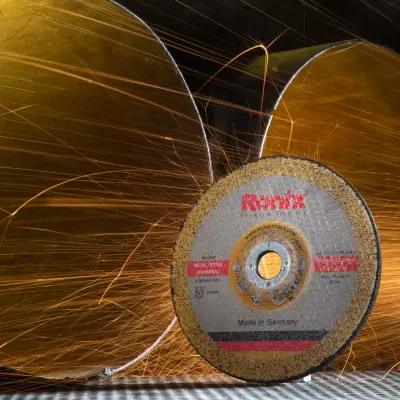
- A thick grinding disc for welds.
- A flap disc for finishing.
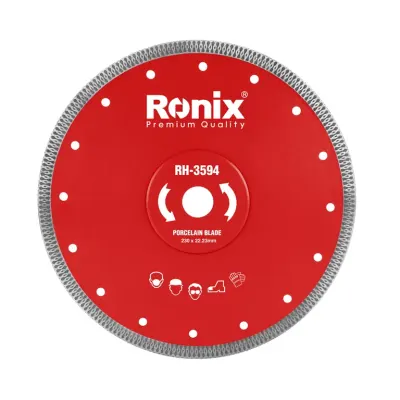
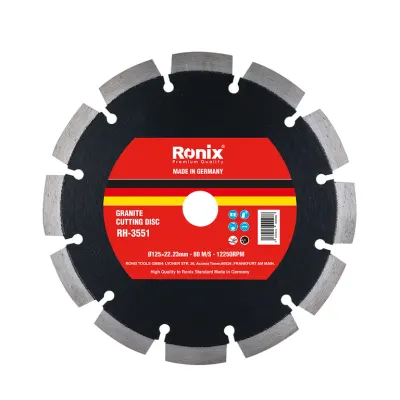
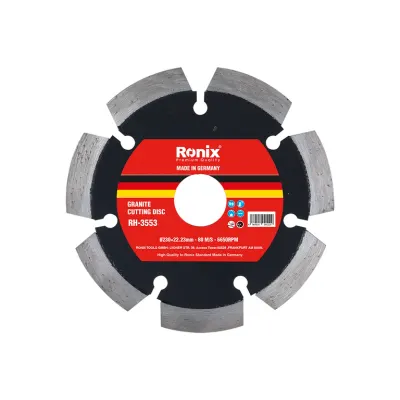
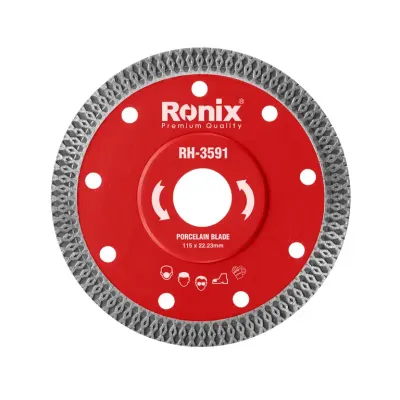
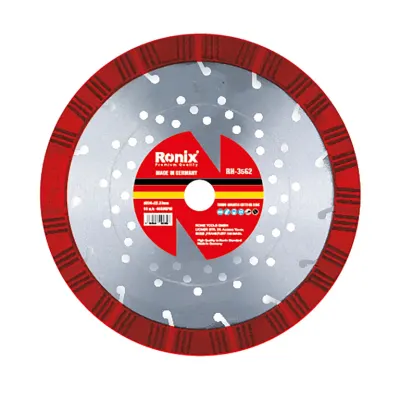
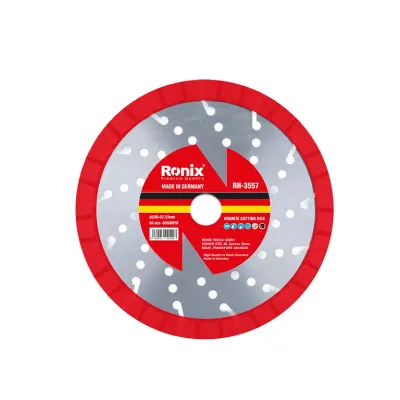
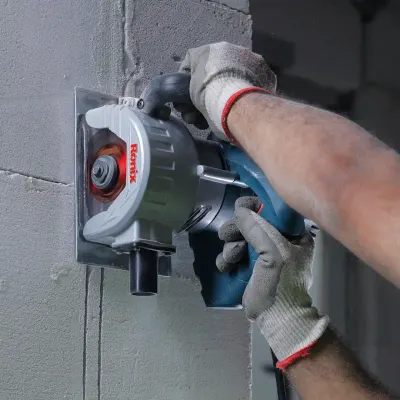
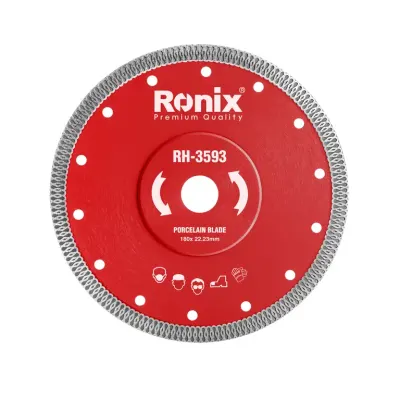
- A diamond blade for tile, marble and concrete.
Safety rules
- Never remove the guard.
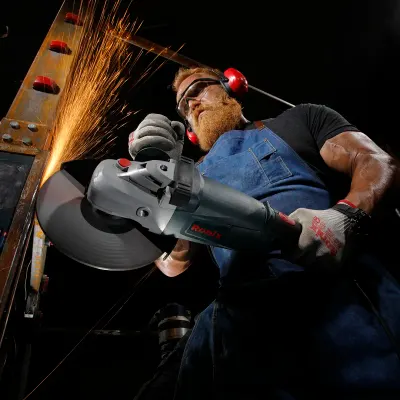
- Always wear safety glasses and gloves.
- Hold with two hands and use the side handle.
- Unplug or remove the battery before changing the disc.
- Never use a cracked or dropped disc.
Products picked for this guide

FAQ
What is the difference between an angle grinder and a "kosra"?
None — they are two names for the same tool. "Kosra" is the common name in Iraq.
Which grinder size should I buy first?
The small 115 or 125 mm: it covers most daily work and is easiest to control. Add the 230 mm when you need deep cuts.
Can a cutting disc be used for grinding?
No. A cutting disc is thin and designed for edge load only; side grinding can shatter it. Use a thick grinding disc or a flap disc.