Buying guides
Best power tools in Iraq: how to choose what fits your work
There is no single "best" tool for everyone — the best one matches your job and how many hours a day it runs. This guide sums up what a tradesman checks before paying: power, type of work, corded or cordless, and warranty.
Start from the job, not the tool
Before asking "which brand?", ask what you will do with it and for how many hours a day. Hanging a shelf at home needs a small cordless drill; drilling concrete daily needs a rotary hammer built for it. A tool stronger than you need is extra money and extra weight; a weaker one burns out on the first project.
The five every shop and workshop starts with
- Drill: wood, metal, driving screws. Cordless for mobility, corded for long continuous work.
- Angle grinder: cutting and grinding. Small (115–125 mm) for daily work, large (180–230 mm) for deep cuts.
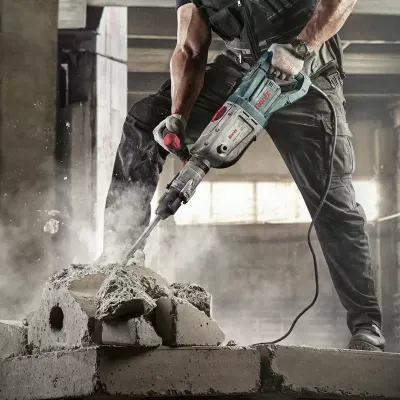
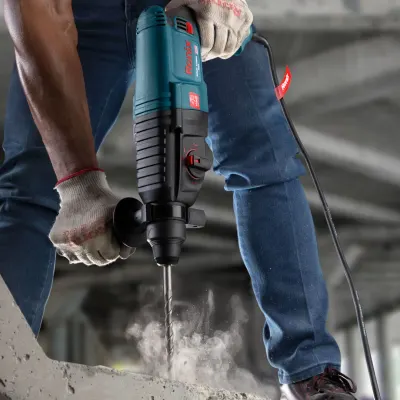
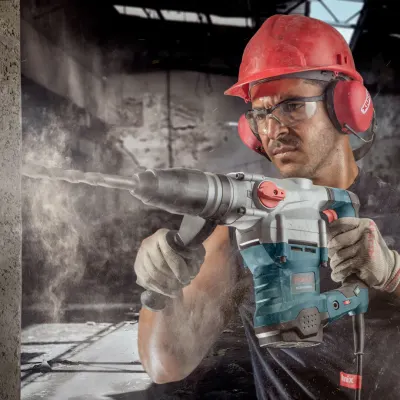
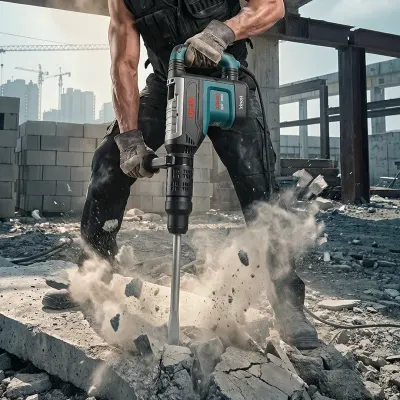
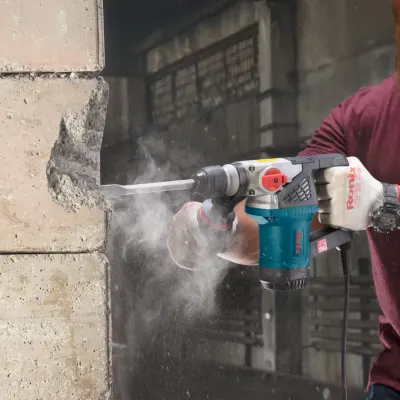
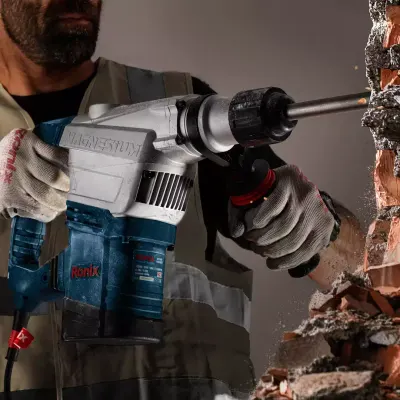
- Rotary hammer: concrete and brick. Look at impact energy (joules), not watts alone.
- Saws: a chop saw for metalwork, a circular saw or jigsaw for carpentry.
- Welding machine: inverters are lighter and easier to carry on site.
Corded or cordless?
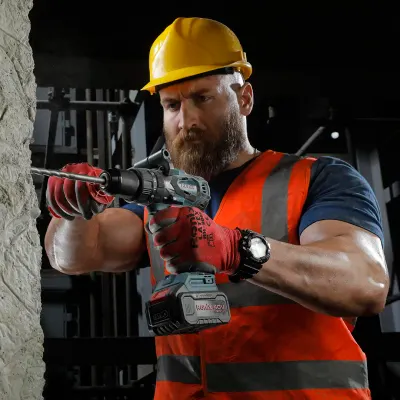
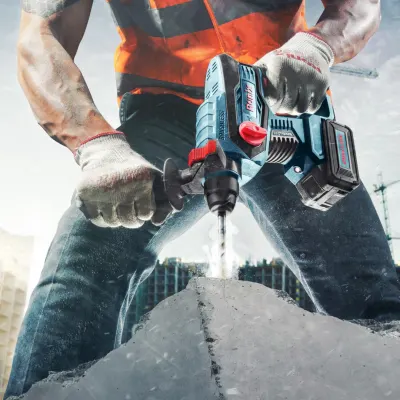
Corded tools suit a fixed workshop and continuous work. Cordless tools suit sites, roofs and places without power — buy at least two batteries.
What to read in the specs
- Watts or volts: motor power on corded tools, battery voltage on cordless.
- Torque (N·m): on drills and impact wrenches.
- Brushless: no carbon brushes to replace, less maintenance.
Warranty and spare parts before price
A cheap tool with no warranty and no spare parts costs more at the first failure. Buy from a distributor who gives an invoice and a written warranty. See our warranty page.